
Module 4 · Chapter 8
Increase local agricultural production and food self-sufficiency
Introduction
Food security, as defined by the United Nations' Committee on World Food Security, means that all people, at all times, have physical, social, and economic access to sufficient, safe, and nutritious food that meets their food preferences and dietary needs for an active and healthy life. (1)
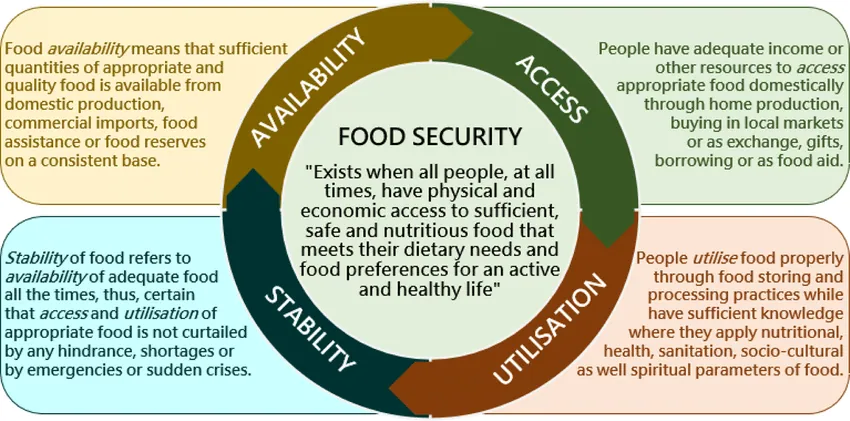
Picture 1. Four dimension of food security
Food self sufficiency
Food Self-Sufficiency (FSS) and price volatility have become a high priority political agenda for governments (2) Increasing crop diversity is an agroecological approach to improve FSS, so small producers can maintain the stability of their food systems, reducing the risks of stress, pest outbreaks or droughts (3). A region can increase the stability of its food system by building its own FSS [5].Food production is a starting point in the analysis of sovereignty and food security. Revenue generation through efficient field production provides a real productivity base (4). The traditional agricultural production of production systems determines access to food and obtaining complementary income through the sale of products and by-products; this being considered as the result of the integration of life strategies (5).
Challenges in food production while ensuring food safety with reduced use of phytopharmaceuticals
"It is expected that the world's population will be increased to one third; The FAO estimates that, if current income and consumption growth trends continue unabated, agricultural production will have to grow by 60 per cent to satisfy the expected increased demands for food and feed. A 60% increase in global food demand will occur by 2050 against 2006 levels due to population increases and changes to food patterns, while climate change will continually impact global food systems" (6). "The number of people affected by hunger globally has been on the rise since 2014 despite food production doubling over the last 3 decades .Over the course of 2019 "two billion people, or 25.9% of the global population, experienced hunger or did not have regular access to nutritious and sufficient food" . (7)
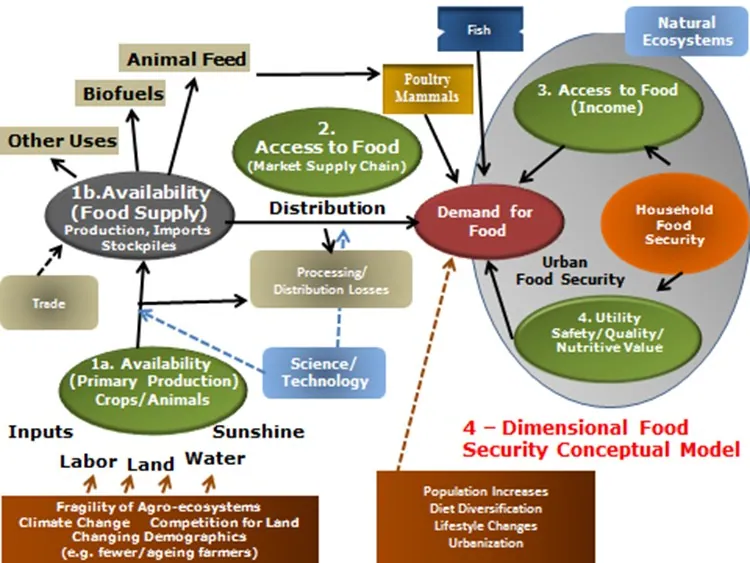
Picture 2: 4- dimensional Food Security Conceptual Model
(https://www.researchgate.net/figure/The-Four-Dimensions-of-Food-Security_fig1_283048378)
The fundamental task of agriculture is to provide adequate amounts of unblemished food, or to improve self-sufficiency with agricultural products, which is forced by climate change with increasingly frequent natural disasters, which make food production increasingly unpredictable, and numerous crisis events related to the global economy. Ensuring sufficient quantities of safe food while taking into account the principle of sustainability, preservation of the natural environment, space and biodiversity is not an easy task, as agricultural production is constantly threatened by numerous plant diseases, pests and plant invasive species, which reduce the quality and quantity of crops and directly affect the quality of food and the economy of the production of agricultural plants. In order to achieve the set goal, it is also necessary to focus on caring for the environment and reducing the risks and impacts of the use of phytopharmaceuticals (PPP), which are an important element of plant health protection, on human health and the environment (8)
Controlling pests that damage crops and plants is necessary both to safeguard food security and to ensure viable income to farmers for their production. This needs to be done while minimising the risks to people and the environment. Such an approach, using natural methods whenever possible and chemical pesticides as last resort, is called ‘integrated pest management’ (IPM). Today, the European Commission published a database presenting an overview of the IPM methods currently available, accompanied by a study assessing their effectiveness and prospects for their further uptake.
The database includes about 1300 examples of practices, techniques and technologies across eight IPM principles established at EU and international level, such as the use of crop rotation and balanced fertilisation, monitoring of harmful organisms, targeted and reduced application and, more importantly, the preference for non-chemical pest control methods. The database also includes 273 “crop-specific guidelines” developed by Member States’ national authorities and public bodies to implement the IPM requirements under the Sustainable Use of pesticides Directive (SUD). This overview of practices, established following two years of work, shows that there is a great variety in the uptake and implementation options for IPM across EU countries. All examples are presented in national languages with a brief introduction in English. This toolbox is intended to inspire national authorities, farm advisors etc. to develop and implement IPM approaches after adapting them to local/regional farm and agro-climatic conditions. The database, hosted in the JRC’s Data-Modelling platform of resource economics (DATAm), will be updated with additional examples on a regular basis. (9)
General overview of IPM strategy
A cornerstone of the Directive is the promotion of IPM, for which general principles are laid down in Annex III to the Directive. Along with the promotion of organic farming, IPM is one of the tools for low-pesticide-input pest management, and IPM must be implemented by all professional users.
IPM involves an integrated approach to the prevention and/or suppression of organisms harmful to plants through the use of all available information, tools and methods
IPM aims to keep the use of pesticides and other forms of intervention only to levels that are economically and ecologically justified and which reduce or minimise risk to human health and the environment.
Sustainable biological, physical and other non-chemical methods must be preferred to chemical methods if they provide satisfactory pest control.
Definition of IPM
Integrated pest management means careful consideration of all available plant protection methods and subsequent integration of appropriate measures that discourage the development of populations of harmful organisms and keep the use of plant protection products and other forms of intervention to levels that are economically and ecologically justified and reduce or minimise risks to human health and the environment. 'Integrated pest management' emphasises the growth of a healthy crop with the least possible disruption to agro-ecosystems and encourages natural pest control mechanisms.
Principles of pest control
The prevention and/or suppression of harmful organisms should be achieved or supported among other options especially by:
crop rotation,
use of adequate cultivation techniques (e.g. stale seedbed technique, sowing dates and densities, under-sowing, conservation tillage, pruning and direct sowing),
use, where appropriate, of resistant/tolerant cultivars and standard/certified seed and planting material,
use of balanced fertilisation, liming and irrigation/drainage practices,
preventing the spreading of harmful organisms by hygiene measures (e.g. by regular cleansing of machinery and equipment),
protection and enhancement of important beneficial organisms, e.g. by adequate plant protection measures or the utilisation of ecological infrastructures inside and outside production sites.
Harmful organisms must be monitored by adequate methods and tools, where available. Such adequate tools should include observations in the field as well as scientifically sound warning, forecasting and early diagnosis systems, where feasible, as well as the use of advice from professionally qualified advisors.
Based on the results of the monitoring the professional user has to decide whether and when to apply plant protection measures. Robust and scientifically sound threshold values are essential components for decision making. For harmful organisms threshold levels defined for the region, specific areas, crops and particular climatic conditions must be taken into account before treatments, where feasible.
Sustainable biological, physical and other non-chemical methods must be preferred to chemical methods if they provide satisfactory pest control.
The pesticides applied shall be as specific as possible for the target and shall have the least side effects on human health, non-target organisms and the environment.
The professional user should keep the use of pesticides and other forms of intervention to levels that are necessary, e.g. by reduced doses, reduced application frequency or partial applications, considering that the level of risk in vegetation is acceptable and they do not increase the risk for development of resistance in populations of harmful organisms.
Where the risk of resistance against a plant protection measure is known and where the level of harmful organisms requires repeated application of pesticides to the crops, available anti-resistance strategies should be applied to maintain the effectiveness of the products. This may include the use of multiple pesticides with different modes of action.
Based on the records on the use of pesticides and on the monitoring of harmful organisms the professional user should check the success of the applied plant protection measures. (10)
The benefits of relying on local agriculture for the future
The importance of local food
A modern man should not be indifferent to what kind of food he eats. From a health point of view, it is recommended to eat seasonal vegetables and fruits from the local environment, as they are usually more optimally ripened and have a higher biological (nutritional) value. Reasons to buy local food are:
Reduces the distance food travels
Much of the food on supermarket shelves has traveled long distances to reach your plate. By shortening the food chain, consumers can reduce food miles and reduce carbon emissions. Above all, you also reduce the amount of pollution that you indirectly cause through consumption. Buying local can really help reduce your greenhouse gas emissions and your overall impact.
It's healthier
You are more likely to get better quality products if you shop locally. If the source is local, you are guaranteed full traceability back to the farm. No preservatives or other chemicals need to be added to local food to keep it fresh in transit. Fruits and vegetables begin to lose their nutrients within 24 hours of being picked, so locally grown food is most nutrient-dense when picked at the peak of ripeness.
Less packaging is involved
Shopping at local markets is an opportunity to reduce food and packaging waste. Much of the food produced is wasted from seed to plate, and waste is generated at all stages of the supply chain; from production and harvesting to distribution and consumption (where the highest percentage of waste occurs at this stage).
It helps the local economy
At the most basic level, when you buy local, more money stays in the community. If we take a closer look at how money flows, we can see the profound economic consequences of keeping money in cities or regions, and how the fate of many communities in the country and the world increasingly depends on it. Because local farmers do not have the same transportation and distribution costs as large agribusinesses, they are able to keep more of the profit from their sales, which helps small agribusinesses become more successful.
Genetic diversity is protected
Many types of cultivated products use modern commercial technologies from certain gene chains. In small-scale farming, farmers can use different types of crops with many different colors, which helps preserve the genetic diversity of the crops. Similarly, a variety of animals can be raised on a small farm, helping to increase biodiversity and offering more options to the consumer. (11)
Picture 3: why locally produced food should always be your first choice
https://www.green-sail.com/blog/why-locally-produced-food-should-always-be-your-first-choice
Local food production can help create jobs in rural areas, which strengthens the local economy. In addition, greater food security is ensured, especially for communities around the world suffering from hunger and poverty. Some research has found that when smallholder farmers become a priority in the global food sector, communities can thrive. Also, local food often tastes much better than food that comes from industrialized farms. The harvest season begins at the peak of maturity, not early, so that they eventually mature. As a result, local foods or produce are richer in nutrients. They don't have to travel as far - the longer the food sits, the more nutrients are released. A societal shift to seasonal eating would require us to start relying on local agriculture, which would also help with nutrient miles. So-called seasonal food calendars are known in many countries, such as South Africa, where they know EatOut, which offers infographics of seasonal produce. Thailand offers Union Fresh Seasonal Charts with color coding for seasonal foods. Even in the Netherlands, they have access to seasonal food guides and there are plenty of options for fresh vegetables. By investing in local farms now, communities can invest in local farms in the future. Local food production thus in turn supports local families, preserves genetic diversity and local locations among plants, which means that future farms will be tougher and healthier. In the future, we will have to rely more on local agriculture if the industry is to feed a growing population and sustain the economy. Small farms increase food security for impoverished communities and have a smaller impact on the environment. These are causes that everyone can support as the population and demand continue to grow.
References
Intrenational food policy research institute
Clapp J (2017) Food self-sufficiency: Making sense of it, and when it makes sense. Food policy 66: 88-96
Kc K B, Pant L P, Fraser E D, Shrestha P K, Shrestha D (2016) Assessing links between crop diversity and food self-sufficiency in three Copyright@ Jean Pierre Enriquez | Biomed J Sci & Tech Res | BJSTR. MS.ID.005061. Volume 31- Issue 2 DOI: 10.26717/BJSTR.2020.31.005061 23988 agroecological regions of Nepal. Regional Environmental Change 16(5): 1239-1251. 5. Bucagu C, Vanlauwe B, Van Wijk M T, Giller K E (2014) Resource use and
. Bucagu C, Vanlauwe B, Van Wijk M T, Giller K E (2014) Resource use and food self-sufficiency at farm scale within two agro-ecological zones of Rwanda. Food security 6(5): 609-628.
Falcon W P, Naylor R L (2005) Rethinking food security for the twentyfirst century. American Journal of Agricultural Economics, 87(5): 1113-1127.
Barrientos S D L, Magana M A (2016) Milpa and backyard contribution to self-sufficiency food in Mayan communities of Yucatan. Social Studies 24(47): 182-203
International Journal of Environment and Climate Change 13(3):104-108
MOŽNOSTI IN UKREPI ZA ZMANJŠANJE TVEGANJA ZARADI RABE FITOFARMACEVTSKIH SREDSTEV Gregor UREK1 , Matej KNAPIČ2 , Meta ZEMLJIČ URBANČIČ3 , Vojko ŠKERLAVAJ4 , Andrej SIMONČIČ5 , Jolanda PERSOLJA6 , Magda RAK CIZEJ7 , Sebastjan RADIŠEK8 , Mario LEŠNIK9
https://www.green-sail.com/blog/why-locally-produced-food-should-always-be-your-first-choice