
Module 4 · Chapter 2
Pest control measures
Integrated pest management (IPM)
Pest control measures are sets out by Regulations on integrated protection of plants against harmful organisms (Official Gazette of the Republic of Slovenia, No. 43/14). Every user of plant protection products must enable healthy plant growth and control of harmful organisms by implementing integrated plant protection measures (using a combination of preventive measures, low-risk plant protection methods, use of plant protection products, etc.). In addition to these measures, he must also regularly inspect his orchards and crops, monitor the appearance of harmful organisms and, based on his own judgment and experience, choose the most suitable method of plant protection.
For the control of harmful organisms, the user of plant protection products takes into account the information on the harmfulness threshold (if available), the appropriate time of use of the plant protection product and advices for use of plant protection products. The used plant protection product should be as specific and effective as possible in relation to the purpose of use and should have as few adverse effects on human health, non-target organisms and on the environment, as possible. If are available, low-risk plant protection methods can also be used. The user of plant protection products can obtain this information from public plant health care advisers and on the website of the Ministry of Agriculture, Forestry and Food.
Every user of plant protection products for professional use must observe and implement permitted measures of integrated plant protection on all cultivated areas (own and leased areas).
Measures for prevention the appearance of harmful organisms
Preventive measures
Every user of plant protection products for professional use must plan and carry out the cultivation of plants by implementing preventive measures with the aim of preventing the development of harmful organisms (disease and pest) and weeds.
Location
The requirements in integrated crop production regarding the choice of location are: in a certain location, we can only grow types/cultivars of crops that are suitable in terms of climatic characteristics, the possibility of additional water supply, soil and relief properties.
The recommendations are: depending on the specific conditions of the location, it is necessary to ensure protection from winds and ensure biotic diversity and its positive effects on the environment. Depending on the location (sloping terrain, groundwater, open watercourses, etc.), special attention is needed regarding additional negative impacts on the environment (soil, crop rotation, assortment, fertilization, plant protection, economy of cultivation).
A choosing of a location for growing vegetables, it is necessary to take into account climatic conditions (amount of precipitation, risk of frost, air humidity), type of soil (depth, nutrient content, availability of nutrients, humus content, biological activity of the soil), relief (slope and exposure of the terrain) , water supply (depth of groundwater, possibility of irrigation, soil retention capacity) and infrastructure from an ecological point of view (protection against wind, protection against erosion, preservation of biotopes, water protection).
Soil management
Prohibitions in integrated crop production are:
- treatment of frozen soil;
- basic and pre-sowing treatment of too wet and too dry soils;
- burning of harvest residues (straw, corncobs, etc.) is prohibited on the fields;
- year-round lack of soil coverage (most of the spring and summer, the soil must be purposefully sown and cared for).
The required measures in integrated crop production are:
- mechanical weed control at least 1x in each crop (use of “tined weeder” or other methods of mechanical soil treatment);
- land use methods that do not significantly reduce the population of beneficial soil microorganisms (earthworms, etc.) in the long term;
- cultivate the soil in such a way as to prevent soil compaction;
- soil cultivation that preserves soil structure (cultivation of suitably moist soil);
- ensuring sufficient content of humus;
- soil cultivation on sloping fields transverse to the slope (prevention of erosion);
- use a cultivation strategy based on the reduction of residues of plant protection products (crop rotation, compliance with the rules of integrated plant protection);
- create a nutrient balance, check nitrogen needs (fertilization);
- according to the texture of the soil and the requirements of crops, take care of the appropriate pH value of the soil;
- mulching and plowing of crop residues is mandatory already in autumn (e.g. with corn and sorghum due to european corn borer – Ostrinia nubilalis).
The recommendations in integrated crop production are:
- in case of regulated water-air regime, suitable weeding and availability of machines, from time to time, instead of classic ploughing, carry out treatment without a plow (conservative soil treatment) or direct sowing;
- equip tractors and machines with tires or attachments that prevent soil compaction;
- sowing of winter and non-winter cover crops.
The requirements in integrated vegetable production are:
- all soil cultivation measures must be aimed at maintaining or improving soil fertility and structure, a balanced balance of humus in the soil, and ensuring a diverse and balanced crop rotation.
Prohibitions in integrated vegetable production are:
- year-round lack of ground cover;
- use of herbicides in protected areas;
- chemical desinfection of the floor in greenhouses;
- an open system of hydroponic vegetable production in greenhouses.
The measures in integrated vegetable production are:
- prevention of soil compaction;
- implementation of deep loosening;
- soil cultivation on inclined surfaces transverse to the slope (prevention of erosion);
- plowing crop residues as late as possible, in autumn;
- plow the winter furrow, if it is necessary, as late as possible;
- prevention of winter fallow (over the winter unsown area);
- cultivation that preserves the soil structure;
- ensuring sufficient humus content.
Soil supply requirements in integrated fruit production are:
- the grower must maintain a system of well-kept fallow in the interspecies space, with some exceptions (peach and apricot orchards on land without the possibility of irrigation in Primorska region; young orchards before the final formation of the fruit volume; peaches up to 3 years of age; cherries, cherries, plums and plums up to 5 years of age; persimmons up to 6 years of age, olives up to 7 years of age, actinidia orchards up to 4 years of age and strawberry orchards);
- soil cultivation must be shallow (cultivation, shallow ploughing), from October to the end of February the soil is not cultivated;
- the growers have to leave the cuted grass in orchard due to the closed cycle of substances;
- in new orchards, with some exceptions, immediate weeding is mandatory.
- mowing of terrace embankments in orchards on terraces is mandatory.
- limiting the spread of unwanted weeds is possible by natural greening of bands with low plants that have shallow roots, by covering bands under trees with organic materials or foil, by mechanical or thermal weed suppression, by regular mowing or mulching and by using approved herbicides.
- in the row, the use of herbicides (herbicide band) is allowed, which must not exceed 1/3 of the inter-row distance (in the case of strawberries, the restrictions regarding the herbicide band are not applied).
- exceptions to the width of the herbicide band are allowed in some cases (for multi-row apple and pear orchards planted before 1991; in walnut and hazelnut orchards, only during fruit ripening, the width of the herbicide band is allowed up to 2/3 of the inter-row distance, otherwise 1/3 applies ).
The requirements for soil care in integrated grape production are:
- burning grass debris and banks is prohibited;
- weeds can only be removed mechanically in the band under the vines (if mechanical weed removing measures are ineffective, approved herbicides can be used);
- the width of the "treated" band under the vines may not to be more than 25% of the net area of the vineyard.
Crop rotation
Implementation of crop rotation have to be done on at least 50% of all arable fields. An appropriate crop rotation is one that corresponds to the selected cultivation technology (at least a two-year rotation, at least a three-year rotation is recommended).
Prohibitions:
- sequential crop rotation of the main crops of individual crops and related plant species (same genus) is prohibited, except for hops;
- corn can be sown on the same field no more than twice in three years, but never twice in line up (consecutively);
- the field area must be "covered" (not only with weeds) after the harvest (over the summer);
- it is forbidden to have uncovered arable land during the winter in water protection areas and areas, exposed to soil erosion;
Required actions:
- taking into account the effects of crops in rotation on preventing the occurrence of diseases and pests, which may be the result of improper crop rotation;
- changing plant species;
- during the "break", i.e. before replanting hops on the same field, a break of at least two years is mandatory in the crop rotation (Fabaceae are desirable), except in the case of the appearance of verticillium wilt, where it is recommended to implement crop rotation with narrow-leaved plants that prevent the spread of verticillium wilt of hops (Verticillium nonalfalfae and Verticillium dahliae).
Recommendations:
- on fields, where grasses or grass-clover mixtures are plowed, a stronger attack of the click beetles (Elateridae) is expected, so it is recommended to first green the soil with plants that contain glucosinates (the most suitable plants are Brassicaceae: white mustard, canola, rapeseed).
Tolerant and resistant varieties
Requirements:
- it is necessary to choose varieties that are as tolerant or resistant as possible to diseases and pests and those with the highest possible threshold of harmfulness due to harmful organisms;
- depending of the production, we choose varieties with certain characteristics (plants with upright leaves and the possibility of increasing the set of plants or plants with wider and drooping leaves with greater coverage - prevention of weeding,...).
Prohibitions:
- the use of genetically modified plants is prohibited;
- for sowing/planting, it is forbidden to use seed that doesn’t comply with plant health regulations;
Recommendations:
- it is recommended to use certified seed for sowing/planting;
At growing vegetables, the quality of seeds and seedlings directly affects the development of vegetables and the occurrence of diseases and pests, so it makes sense to use high-quality and healthy seeds or seedlings and to carry out strict selection when growing seedlings (eliminate infected and poorly developed seedlings). It is also recommended to save the label or plant passport after sowing or planting, so that in the event of the occurrence of a controlled disease or pest, the place of origin can be traced.
The use of tolerant and resistant varieties in fruit growing and viticulture is important in terms of the reduced occurrence of some harmful organisms and thus also the reduced use of plant protection products.
Cleaning of machinery and equipment
Cleaning machinery and equipment after finishing work on the land or at the end of the working day to prevent the spread of harmful organisms (pests, plant diseases, weeds)
Low risk plant protection methods
Use of basic substances
Basic substances that can be used for plant protection are those substances that are not problematic in terms of causing hormonal imbalances and do not have neurotoxic or immunotoxic effects. They are authorized for other purposes and are not normally used for plant protection and are not placed on the market as plant protection products, but are nevertheless useful as plant protection products. Basic substances include those substances that meet the criteria for food.
The use of basic substances in the European Union is approved by the European Commission. The European Commission asks the European Food Safety Agency for technical and scientific assistance and an opinion on the application. Based on this opinion, the European Commission approves or disapproves the substance as a basic substance. The permitted basic substance is entered in a special part of the list of approved active substances - "EU Pesticides Database" - https://food.ec.europa.eu/plants/pesticides/eu-pesticides-database_en#FFS
Table 1: List of basic substances
| Latin or english name | Permitted use in organic production |
|---|---|
| Equisetum arvense L. | yes, but not as a herbicide |
| Chitosan Hydrochloride | yes, but not as a herbicide |
| Sucrose | yes, but not as a herbicide |
| Calcium hydroxide | yes, but not as a herbicide |
| Fructose | yes, but not as a herbicide |
| Lecithins | yes, but not as a herbicide |
| Salix spp. Cortex | yes, but not as a herbicide |
| Vinegar | yes, but not as a herbicide |
| Sodium hydrogen carbonate | yes, but not as a herbicide |
| Diammonium phosphate | yes, but not as a herbicide |
| Whey | yes, but not as a herbicide |
| Sunflower oil | yes, but not as a herbicide |
| Urtica spp. | yes, but not as a herbicide |
| Hydrogen peroxide | yes, but not as a herbicide |
| Clayed charcoal | no |
| Beer | yes, but not as a herbicide |
| Mustard seed powder | yes, but not as a herbicide |
| Sodium chloride | no |
| Talc | no |
| Onion oil | yes, but not as a herbicide |
| Sodium chloride | yes, but not as a herbicide |
| L-cysteine (E 920) | yes, but not as a herbicide |
| Cow milk | yes, but not as a herbicide |
| Allium cepa L. bulb extract | yes, but not as a herbicide |
| Other basic substances from plant or animal origin and based on food | yes, but not as a herbicide |
Use of plant protection product's (PPP's), that are allowed for organic farming
Plant protection product's, that are permitted in organic production, can also be used in integrated production, the list of permitted plant protection product's in the Republic of Slovenia is available at the following link: http://spletni2.furs.gov.si/FFS/REGSR/FFS_sezn.asp?L= 1&S=2&top=1
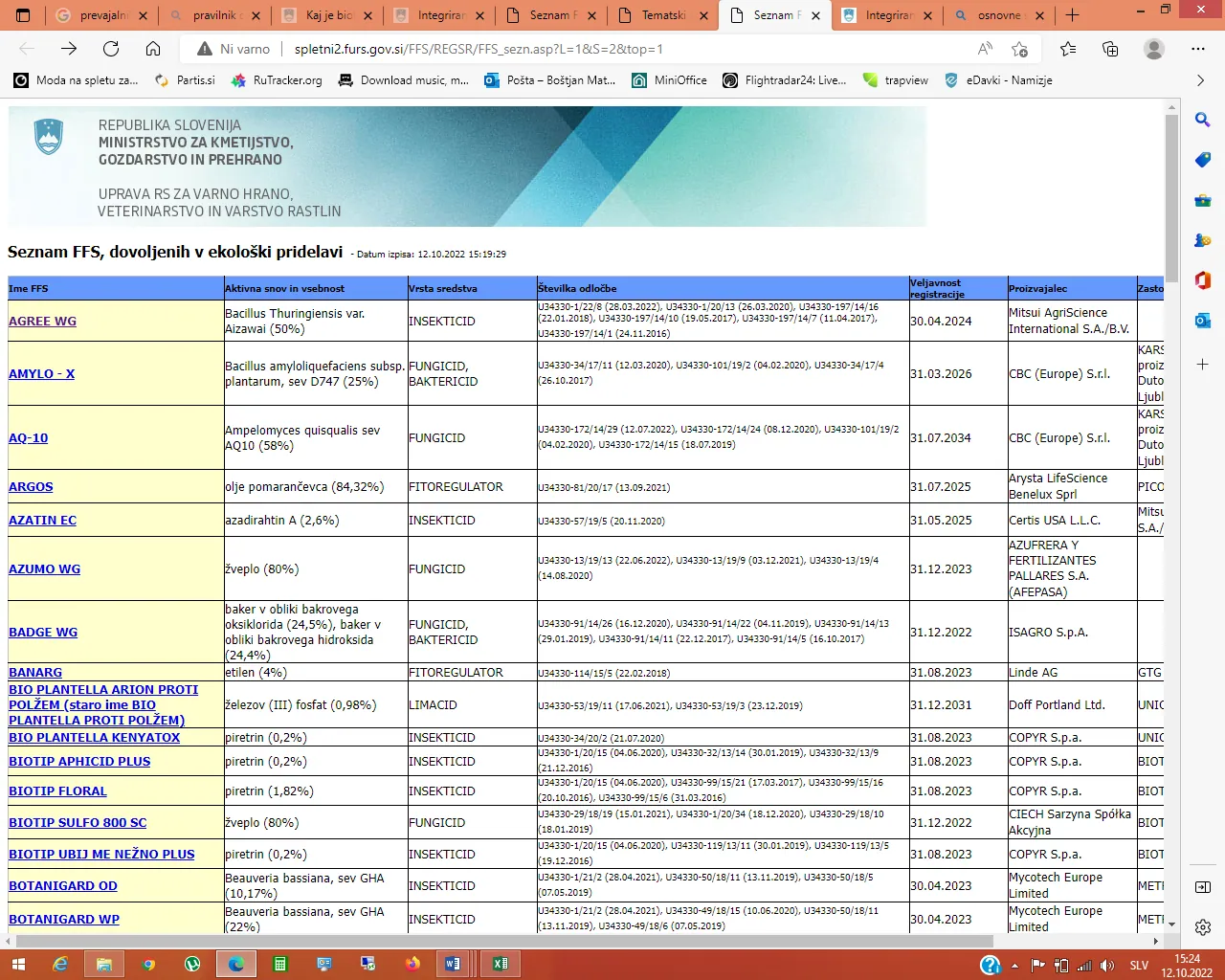
Picture 1: List of plant protection product's, allowed in organic production
(Source: http://spletni2.furs.gov.si/FFS/REGSR/FFS_sezn.asp?L=1&S=2&top=1)
Non-chemical measures to reduce the occurrence of harmful organisms
Mechanical or physical weed control (machine or manual)
Manual mechanical weed control can be carried out on smaller fields, on bigger fields are using machines (combs, weeders...).
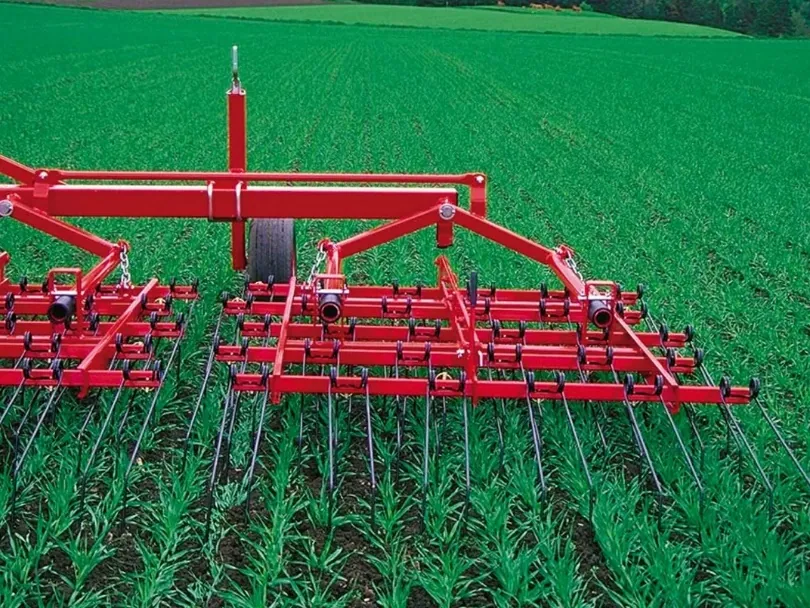
Picture 2: Mechanical removal of weeds in cereals – tined weeder (Source: https://eggmann-landmaschinen.ch/dienstleistungen/landtechnik)
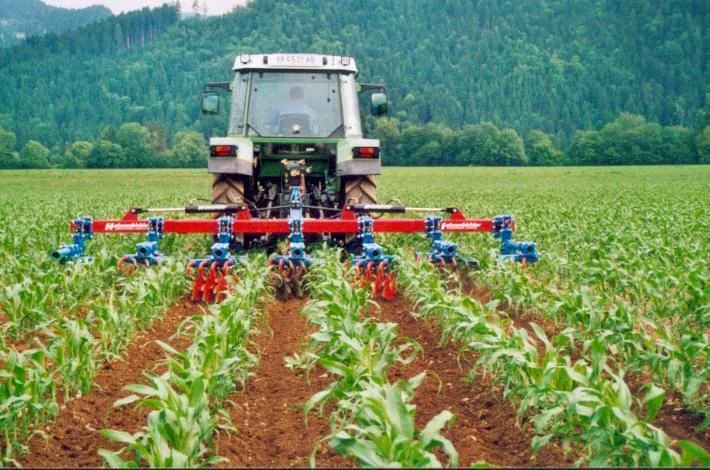
Picture 3: Mechanical removal of weeds in maize
(Source: https://www.moreki.co.bw/2020/07/28/mechanical-weed-control)
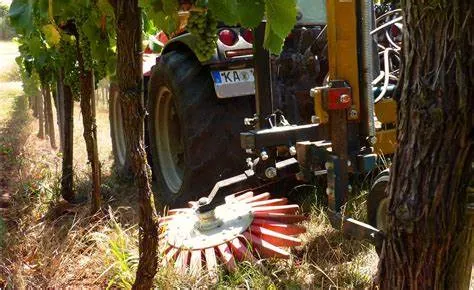
Picture 4: Mechanical removal of weeds in orchard and vineyard
(Source: https://www.northernequipment.ca/kultkressvineyardfingerweeder)
Mechanical or physical removal of attacked or infected plants, or parts of plants or harmful organisms
It is a measure to remove infected parts of plants (leaves, shoots, cancerous formations, "mummies"...), whole plants and parasitic plants (example: white mistletoe - Viscum album). Example: In case of apple powdery mildew (Podosphaera leucotricha) or fire blight (Erwinia amylovora), infected shoots are removed by cutting, in case of Flavescence dorée (quarantine pest) grapevines must be removed.
Use of beneficial organisms for biotic plant protection
Biotic plant protection is a method of plant protection in which living organisms are used to control plant pests. These living organisms can be "predators" (larvae and adult Coccinellidae, larvae of common green lacewings, Cimicomorpha, predatory mites, thrips, etc.), which help us reduce the population of harmful organisms. Parasitoids lay their eggs in, on or near pests, and the larvae that develop from them then feed on the pests.
The use of natural enemies in the control of harmful organisms is regulated in Slovenia by the Rule on biotic plant protection (Ur. l. RS 45/06), an important component of this rule is the "List of native species of organisms for biotic plant protection", which currently lists 29 types of biotic agents (19 types of predators, 6 types of parasitoids and 4 types of entomopathogenic nematodes). These are organisms, that are widespread in our natural environment, either due to their nativeness or due to the fact that they were intentionally or unintentionally introduced to Europe from other continents in the past. In Europe, these organisms have proven to be effective natural enemies of pests, while showing no adverse effects on native natural enemies. Proposals for inclusion on the "EPPO List" are considered by members of the EPPO Panel for Biotic Plant Protection.
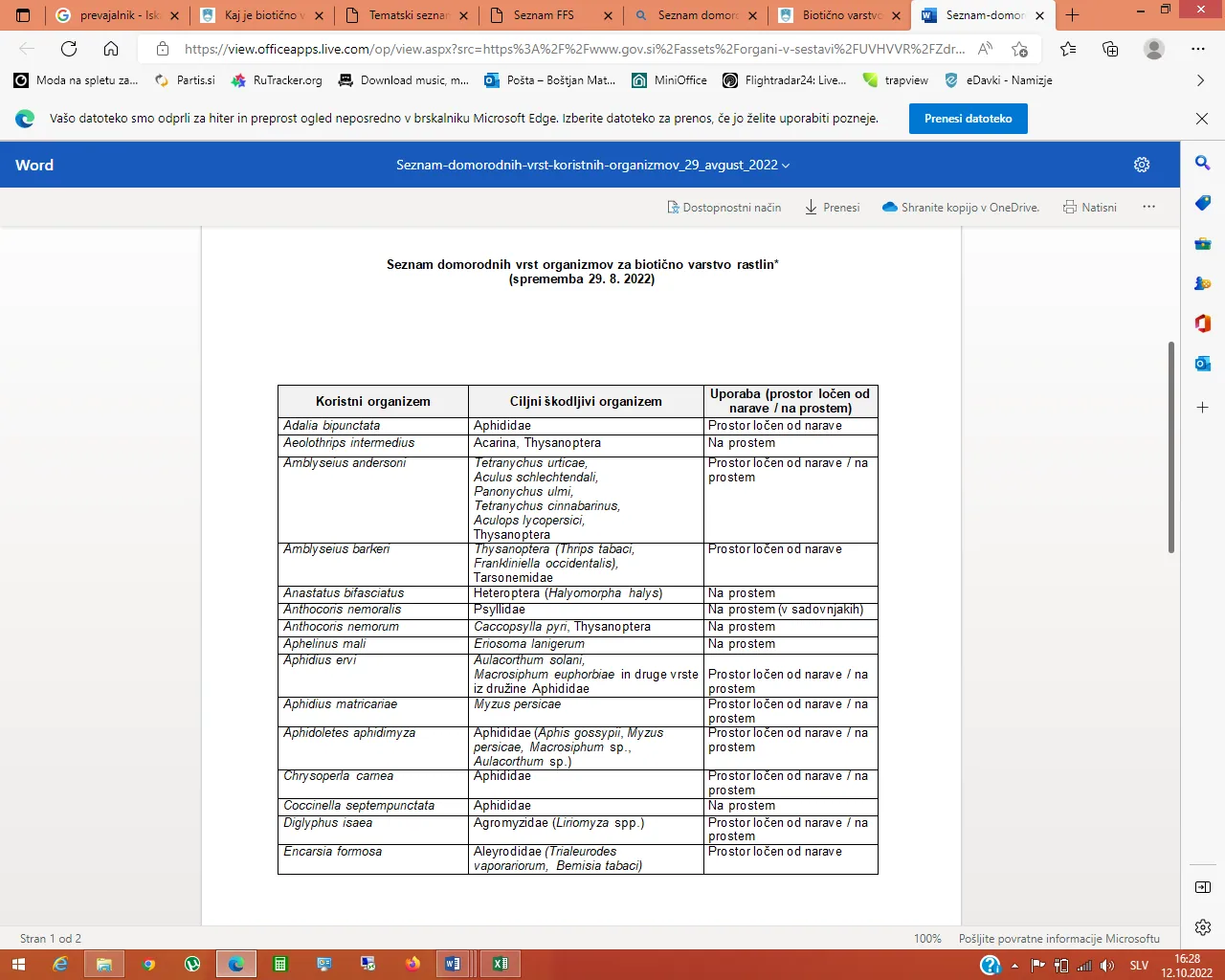
Picture 5: List of native species of organisms for biotic plant protection
(Source: https://www.gov.si/teme/bioticno-varstvo-rastlin)
"confusion" method (pheromone control system)
In viticulture and fruit growing, the method of "confusion" is used with the help of pheromone dispensers. The method is based on false pheromone signals that override the naturally released pheromones of females and thus confuse males when they are searching for females to mate with. The dispensers release the same pheromone that the females release, and in this way confuse the males and therefore they are "confused" when looking for the female during the mating season. As a result, the females are not fertilized and lay infertile eggs from which the pest does not develop.
The list of permitted pheromones is on the following website: http://spletni2.furs.gov.si/FFS/REGSR/FFS_sezn.asp?L=1&S=4&top=1
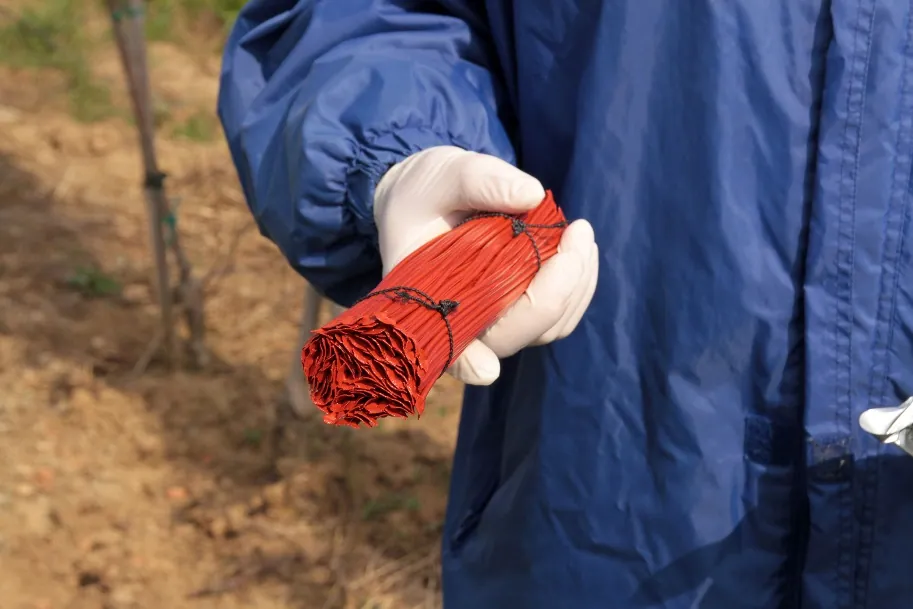
Picture 6: "Isomate CTT" dispenser for the "confusion" method in fruit orchards, against codling moth
(Source: https://www.karsia.si/isomate-c-tt)
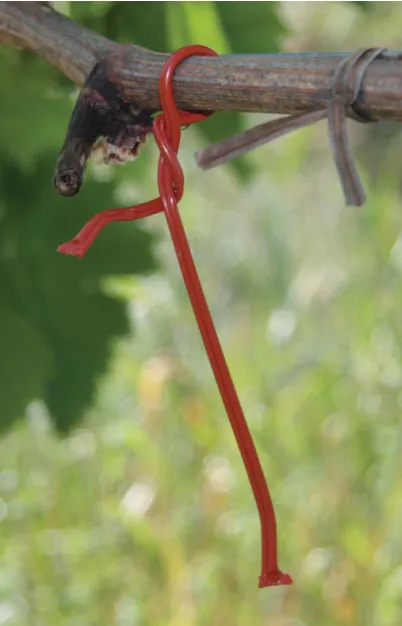
Picture 7: Dispenser "Isonet L Plus" method of "confusion" in viticulture against vine moth
(Source: https://www.karsia.si/isonet-l-plus)
Sources
- Rules on integrated pest management: http://www.pisrs.si/Pis.web/pregledPredpisa?id=PRAV11530
- IPM: https://www.gov.si/teme/integrirana-pridelava/
- Basic substances for plant protection: https://www.gov.si/teme/osnovne-snovi-za-varstvo-rastlin/
- List of PPP, permitted in organic farming: http://spletni2.furs.gov.si/FFS/REGSR/FFS_sezn.asp?L=1&S=2&top=1
- Biotic protection of plants: https://www.gov.si/teme/bioticno-varstvo-rastlin/
- List of PPP, based on microorganisms, extracts, pheromones: http://spletni2.furs.gov.si/FFS/REGSR/FFS_sezn.asp?L=1&S=4&top=1