
Module 5 · Chapter 7
Human adaptation strategies to climate change in livestock production
The IPCC defines adaptation as actions taken to decrease the vulnerability of both natural and human systems to the impacts of present or anticipated climate change. Human adaptation strategies encompass breeding, modifications to production and management systems, as well as institutional and policy changes that will be disscused in next chapter. Figure 1. provides a concise overview of livestock management adaptation strategies, followed by a detailed discussion. In short, human adaptation involves implementing practices that aid animals in adapting to climate change and enhancing livestock performance.
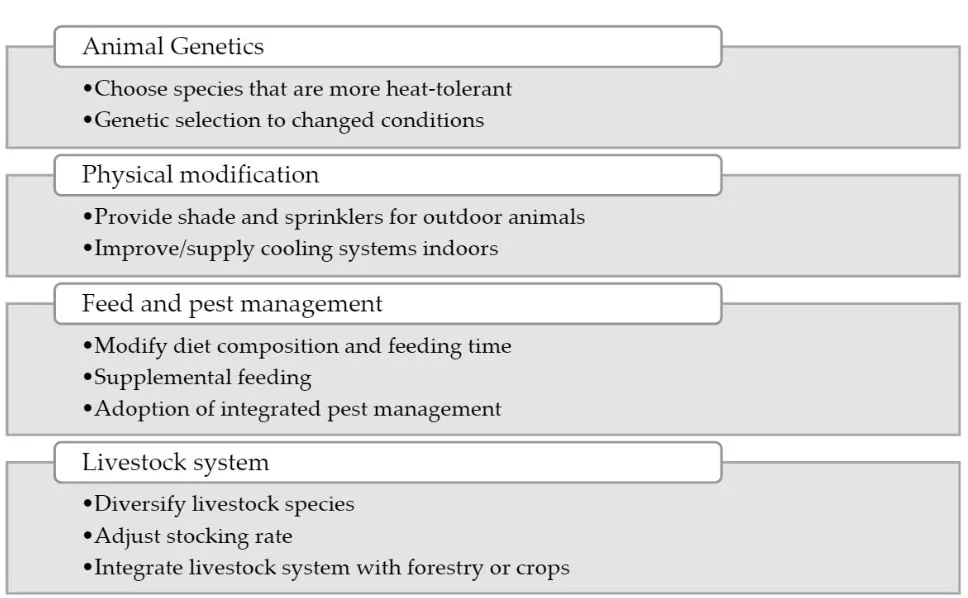
Animal Genetics
The application of selective breeding in farm animals has led to improvements in their production performance over the years, contributing to an overall increase in product yield. However, this one-sided selection has favored highly productive genotypes with high energy requirements and increased metabolic heat production. As a result, under climate change conditions, there is a risk that such genotypes may be more susceptible to heat stress due to their metabolic load [2]. With climate change projections indicating warmer conditions and more frequent extreme temperatures, one of the measures for human adaptation involves manipulating the genetic material of farm animals. It has been observed that certain breeds and types of farm animals exhibit greater resistance to heat stress, which is closely linked to their adaptive abilities, as discussed in detail in the previous chapter on animal adaptations. Farm animal breeds originating from tropical regions have evolved to thrive in warmer climates and cope with water scarcity, granting them an evolutionary edge in the context of climate change. Adaptations such as light, short, and slick hair, larger limbs, increased skin and lung surface area, smaller body size, among others, play crucial roles in their ability to adapt. Moreover, akin to locally adapted breeds, specific physiological and immunological traits enhance the resilience of these tropical breeds in less-than-ideal rearing conditions.
Conventional, marker-assisted and genomic selection
Since the phenotypic expression of traits is largely determined by the genotype, various forms of genetic manipulation are considered as one of the possibilities within the scope of human adaptation measures. Therefore, the heritability and additive genetic variation of traits important for thermal resilience are parameters on which the success of implementing such methods depends. Nevertheless, physiological markers of heat stress such as respiration rate (RR), rectal temperature (RT), and drooling score (DS) exhibit low heritability [3;4;5], and are controlled by numerous quantitative trait loci (QTL), each with minor effects. Consequently, the potential for significant genetic advancements through conventional selection methods is limited. Another challenge, for example in dairy cows, is to identifying heat-tolerant animals due to the complex nature of heat stress and the negative correlations between heat tolerance and productivity traits. This underscores the necessity to pinpoint genomic variations linked to heat tolerance traits, thereby adding another dimension to the advancement of genomic selection (GS) for heat-resistant dairy livestock [6]. Leveraging Genome-wide association studies (GWAS) to pinpoint the genes governing climate adaptation traits, such as efficient thermoregulation, feed utilization, and immunity, could expedite the selection of animals that are more resilient to climatic challenges [7]. So far, in dairy cattle a progress has been made in pinpointing candidate genes like HSF1, SPAG17, DNAJC8, HSPA9, and DNAJC18 associated with heat tolerance and milk production traits, facilitating marker-assisted selection, genomic selection, and gene editing initiatives [8].
In addition to the marker-assisted selection and genomic selection mentioned above, other options like crossbreeding and gene editing offer avenues for manipulating animal genetics to address the impacts of climate change on livestock.
Adapting tropical farm animal breeds to climate vulnerability zones could be a viable strategy to cope with the changing climate. However, there are some factors to consider, such as the animals' ability to thrive in different environmental conditions, their resistance to local diseases, and their overall suitability for the new climate. In addition, these breeds are generally characterized by lower productivity, which is not in line with modern breeding goals and food needs.
Crossbreeding tropical&locally adopted breeds and high-output farm animal breeds emerges as a superior alternative. For instance, the development of crossbreeds between Bos taurus taurus and Zebu (Bos taurus indicus cattle) has proven effective in enhancing performance while preserving environmental resilience [9]. These crossbred animals exhibit improved adaptability to elevated temperatures, humidity, and resistance to parasites, notably Boophilus microplus ticks, which increases proportionally with the Bos taurus indicus ancestry in the cross [10]. Breeding crossbeeds between tropical and high-output breeds yields a dual impact in the battle against climate change. Firstly, these hybrids exhibit heightened resilience to heat, particular diseases, and water scarcity. Simultaneously, they attain enhanced productivity, thereby reducing the overall carbon footprint [11].
Starting from the morphological characteristics of livestock that allow better adaptation of animals from tropical regions, genetic studies have revealed the genes and mechanisms of inheritance that define these specific traits. Some breeds of cattle have very short hair and reduced follicle density, giving a phenotype called "SLICK". According to some findings, the effect of SLICK is most likely realized through increased sweat production, rather than a reduction in hair length and density [12]. The SLICK variant has now been introduced into other breeds, including the highly productive Holstein dairy breed, creating more heat tolerant animals [13].
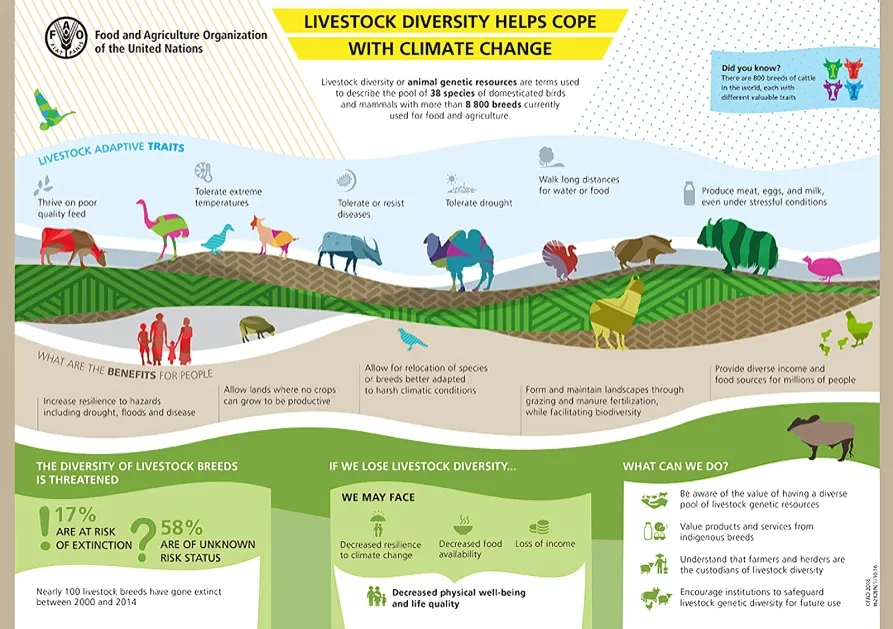
In addition to tropical breeds, locally adapted breeds, often defined as genetic resources (AnGR), certainly have their importance in adaptation measures to climate change as shown in Figure 2. Their evolution took place in conditions of adaptation to extreme climatic conditions and accompanying, different types of pathogens and parasites, as a result of which they acquired specific characteristics. Hence, these breeds serve as invaluable assets, and if thoroughly investigated, they can be leveraged to develop breeds well suited to the changing conditions brought about by climate change [15]. Many locally adapted species and breeds are primarily concentrated in arid regions. Camels, for example, are predominantly found in arid zones, showing variation in adaptation to altitude and climate. Yaks, on the other hand, are specialized for thriving in extremely difficult conditions at high altitudes throughout the arid lands of Asia. According to FAO [16], over 70% of donkey breeds, about 50% of sheep and goat breeds and 30% of cattle and horse breeds are adapted to dry regions. However, most indigenous breeds lack comprehensive characterization, and their adaptations include not only heat resistance but also the ability to thrive, develop and reproduce in the face of seasonal nutritional deficiencies, as well as challenges posed by parasites and diseases.
Currently, out of the myriad mammal and bird species, only 40 are domesticated, playing a crucial role in the production of meat, dairy, and eggs. A significant portion of this production is shouldered by key species such as cattle, buffalo, goats, and sheep. Unfortunately, 26 percent of livestock breeds are now at risk, with 6 percent already extinct. Strategies focusing on animal genetic resources can shape populations by selectively breeding more resilient breeds, crossbreeding for higher temperature or disease resistance, or transitioning to alternative species when these approaches are no longer viable. The diversity within animal genetic resources offers the ability to adapt to climate change, emerging diseases, limited food and water resources, and evolving market demands.
The use of genetic biotechnology to introduce thermo-resilience genes-gene editing into livestock breeding is a promising approach in climate change adaptation strategies. Researchers have identified several genes associated with thermo-tolerance in livestock. These genes include heat shock proteins, heat shock transcription factors, thyroid hormone receptor, mitochondrial inositol protein, isocitrate dehydrogenase, and butyrophilin phosphofructo kinase [17]. Studies have shown that these genes play critical roles in regulating various physiological processes that contribute to thermo-tolerance. For example, heat shock protein 70 is a highly conserved stress-inducible protein that helps protect cells from damage and maintain cellular integrity. In addition to heat shock proteins, other genes involved in regulating the immune response and cell cycle arrest have also been found to be upregulated during heat stress conditions in livestock. By using gene editing techniques, such as CRISPR-Cas9, scientists can potentially introduce thermo-resilience genes into livestock genomes, thereby enhancing their ability to withstand and adapt to heat stress.
Physical Modification
Environmental alterations represent a viable approach to mitigate heat stress in livestock and can be broadly categorized into outdoor and indoor modifications.
Outdoor
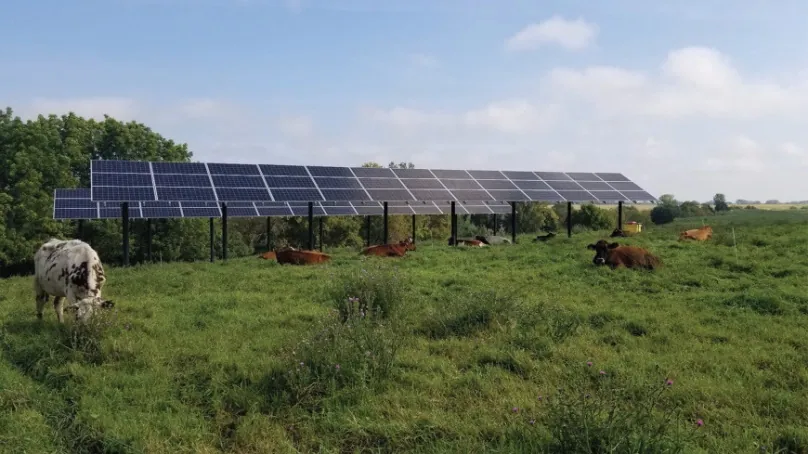
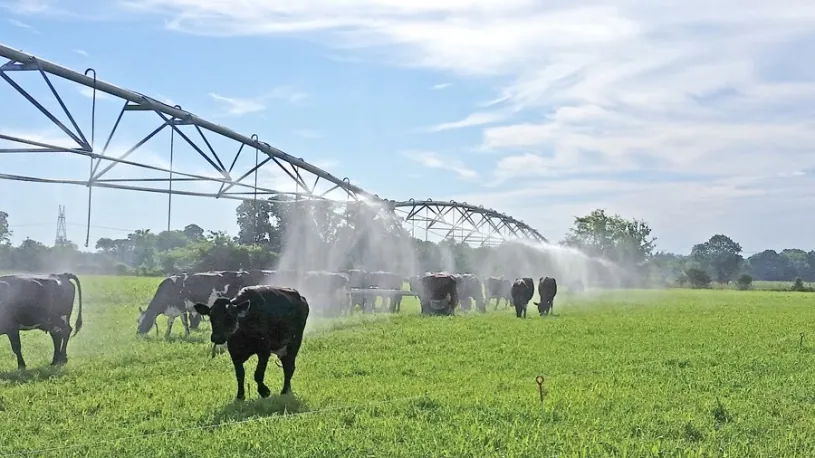
For animals housed outdoors in grasslands or pastures, effective physical modifications involve providing shelters that shield against solar radiation while facilitating cooling during hot weather [18]. Grazing animals benefit from natural shade sources such as broad, dense tree canopies, which promote increased evaporation of heat and moisture from their bodies [19]. Alternatively, various constructed shelters offer viable solutions, with Figure 3. showcasing a modern solar-based design that delivers significant energy savings [20]. Additionally, the implementation of sprinkler and misting systems can further lower body temperatures as shown in Figure 4. [21]. Combined systems demonstrate superior efficacy, generating a synergistic effect, particularly in arid conditions [22]. Thus, integrating sprinkler systems with covered pens has been shown to enhance the daily weight gain of pigs compared to using sprinklers alone.
Indoor
Due to the specific nature of closed-space farming systems, livestock housed indoors are typically more susceptible to microclimatic conditions. Continuous monitoring of temperature, humidity, gases, and other parameters within barns is essential, especially in intensive systems with a large concentration of animals. In modern times, advancements in precision agriculture technology offer the ability to adapt systems appropriately to detected changes, ensuring a consistent provision of desirable microclimates throughout the entire production cycle. Pigs, in particular, are highly sensitive to heat stress, necessitating highly efficient cooling and ventilation systems [23]. An illustrative example of such a system is provided in Figure 5.
In general, physical modifications within buildings include the installation or enhancement of ventilation systems, utilization of heat-reducing building materials such as insulation, and optimization of barn orientation. Additional measures such as forced air velocity, misting, fogging, spraying, and substrate cooling systems can also be implemented [24]. Various air conditioning and substrate cooling systems have demonstrated superior performance in mitigating heat stress [24]. However, it's important to consider the significant investment and operational costs, as well as the energy consumption associated with their operation. The development and implementation of green technologies will undoubtedly contribute to their wider adoption and environmental efficiency [20].
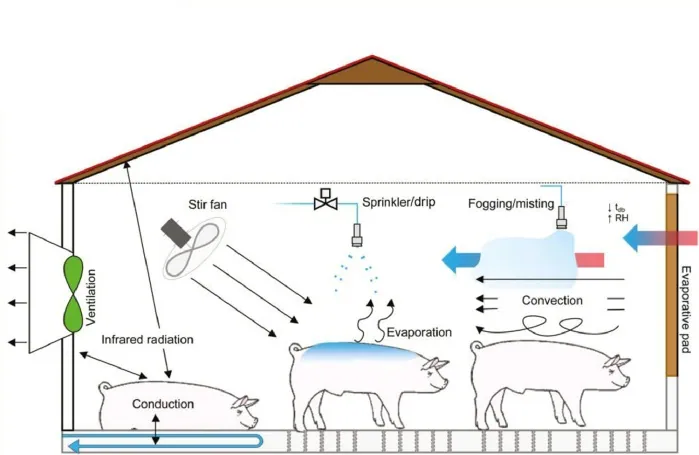
Figure 5. Example of ventilation and cooling systems for large-scale pig farms [23]
Feed Management
Utilizing feeding strategies help maintain hydration, electrolyte balance, and antioxidant status, thereby reducing the physiological strain associated with heat stress while offers a means to enhance animal performance. These strategies encompass adjustments to diet composition, alterations in feeding timing and frequency, and effective water management practices [18].
Effective water management: Implementing effective water management strategies, such as providing adequate access to clean drinking water and optimizing water use efficiency in feed production, can help mitigate the impacts of water scarcity and drought on livestock farming. Ensuring clean, abundant water near feeding areas is essential, particularly in warm climates where water may be warm. Chilled water provision has shown promise in improving animal performance by reducing body temperature, particularly for lactating sows, enhancing feed intake, and milk production [25;26]. Combining self-feeding with the option for sows to wet their feed has also improved feed intake in lactating sows during summer, comparable to hand-fed dry feed systems [26].
Electrolyte supplementation is a key nutritional strategy for mitigating heat stress in livestock due to there loss by sweating and/or panting. Furthermore, Renaudeau et al. [18], highlight the importance of providing supplementary antioxidants, such as vitamins E and C, to combat oxidative stress induced by heat stress.
Incorporating fat into the diets can effectively alleviate heat stress, improve energy intake, and support overall performance during elevated temperatures. Fat serves as a dense energy source, crucial when animals reduce feed intake during heat stress; it boosts energy density, aiding in meeting nutritional needs with smaller volumes. Additionally, fat metabolism generates less heat than carbohydrates or protein, potentially minimizing heat-related health risks and maintaining thermal balance. Moreover, fat supplementation enhances feed palatability for poultry, ensuring adequate nutrient intake, while promoting growth and carcass quality in pigs under heat stress, thus sustaining productivity and profitability in affected production systems [27;28].
Amino Acid Supplementation: Supplementing pigs diets with specific amino acids, such as lysine and methionine, helps maintain protein synthesis and muscle mass during heat stress, supporting growth performance and carcass quality in pigs raised in hot climates [18].
Heat Stress Additives: Some feed additives, such as heat stress modifiers or heat-reducing compounds, are specifically designed to alleviate the physiological effects of heat stress. These additives may include substances that enhance heat dissipation, improve water retention, or regulate hormonal responses to heat stress, thereby improving pig comfort and performance during periods of elevated temperatures. Probiotics, prebiotics, and phytogenic compounds, have been shown to improve gut health and nutrient absorption, enhancing resilience to heat stress. Additional feed supplements like niacin, fungal culture, and conjugated linoleic acid have been shown to mitigate the impact of elevated temperatures on the performance of both ruminants and poultry [18].
Adjustments in feeding regime (time and /or frequency) can help animals cope with heat stress. During hot weather, animals can be fed early in the morning or late in the evening when temperatures are cooler [29;30]. Feeding during these times reduces heat stress and allows them to consume their feed more comfortably. Providing smaller, more frequent meals throughout the day helps regulate digestion and nutrient absorption, reducing the metabolic heat generated during digestion.
Beside above mentioned, some other measures of adaptation regarding feeding management are available. Utilizing alternative feed sources such as agro-industrial by-products and insect-based feeds helps mitigate the impact of climate change-induced feed fluctuations, offering valuable supplements resilient to climatic variability. Concurrently, optimizing feed efficiency through selective breeding and precision feeding techniques minimizes resource inputs, reducing production costs while enhancing productivity. Additionally, integrating climate-resilient forage crops like drought-tolerant grasses and legumes sustains livestock production in water-scarce regions, requiring fewer inputs and enhancing resilience to climate variability.
Livestock Management System
Livestock management adaptations encompass a range of strategies, including:
1) The diversification of livestock species offers a multifaceted approach to adapting to climate change in livestock farming. By maintaining a diverse mix of species and breeds, farmers can enhance resilience, improve resource utilization, and enhance adaptability to changing environmental conditions thereby fostering the sustainability of livestock operations [31]. Furthermore, traditional livestock farmers commonly employ it to maintain high diversity within on-farm niches and mitigate against climatic and economic challenges [15;16]. Therefore, their application could play a crucial role in adapting to climate change. Research by Seo and Mendelsohn [32], suggests that small farms in developing countries exhibit greater resilience to climate change due to their diverse species portfolios, flexibility in shifting between species, and reliance on goats and sheep. Conversely, commercial dairy and beef operations face heightened vulnerability as their specialized nature makes transitioning to other species more challenging. Various livestock species-level models accounting for the direct impacts of climate change alongside alterations in agro-ecological conditions and production systems indicate a shift from cattle and chickens towards goats and sheep as temperatures increase [32]. As previously shown in Figure 2, animal genetic resources (AnGR) - the pool of 38 species of domesticated birds and mammals with more than 8 800 breeds currently used for food and agriculture, could have important role within this strategy.
2) Adjustments in stocking rates represent a proactive and adaptive approach to climate change mitigation in livestock production systems. Studies by Diaz-Solis et al. [33], and Mu et al. [34], demonstrates the effectiveness of flexible stocking rate management in reducing the vulnerability of livestock systems to drought and other climate-related stressors. By implementing flexible stocking rates that account for environmental variability, producers can optimize livestock performance while minimizing the risk of overgrazing and depletion of forage resources during periods of drought, therefore maintaining ecosystem health and enhancing overall resilience to climate-related challenges.
3) Integrating livestock with forestry or crops offers synergistic advantages, including enhanced soil quality and nutrient circulation. Such combined approaches aid in soil preservation, lessen dependency on chemical substances, and foster economies of scale within farm operations.
Ryschawy et al. [35], have demonstrated that mixed crop-livestock systems provide an economically and environmentally friendly approach to farming. These systems involve the simultaneous production of crops and livestock on the same land, allowing for synergies between different components of the agricultural system. By diversifying income streams and nutrient cycling, mixed crop-livestock systems can improve farm resilience to climate variability and market fluctuations. Similarly, Alves et al. [36], have explored the prospects for integrated crop-livestock-forestry systems as a sustainable form of agricultural intensification. These systems integrate tree crops or forests with traditional crop and livestock production, creating diverse agroecosystems that offer multiple benefits. By sequestering carbon, enhancing soil fertility, and providing additional sources of income, integrated crop-livestock-forestry systems contribute to climate change mitigation while also supporting rural livelihoods.
References
Cheng, M., McCarl, B., & Fei, C. (2022). Climate Change and Livestock Production: A Literature Review. Atmosphere, 13(1), Article 1.
Bernabucci, U.; Lacetera, N.; Baumgard, L.H.; Rhoads, R.P.; Ronchi, B.; Nardone, A. Metabolic and hormonal acclimation to heat stress in domesticated ruminants. Animal 2010, 4, 1167-1183.
Luo H, Li X, Hu L, Xu W, Chu Q, Liu A, et al. Genomic analyses and biological validation of candidate genes for rectal temperature as an indicator of heat stress in Holstein cattle. J Dairy Sci. (2021) 104:4441–51.
Luo H, Hu L, Brito LF, Dou J, Sammad A, Chang Y, et al. Weighted single-step GWAS and RNA sequencing reveals key candidate genes associated with physiological indicators of heat stress in Holstein cattle. J Animal Sci Biotechnol. (2022) 13:108.
Otto PI, Guimarães SEF, Verardo LL, Azevedo ALS, Vandenplas J, Sevillano CA, et al. Genome-wide association studies for heat stress response in Bos taurus×Bos indicus crossbred cattle. J Dairy Sci. (2019) 102:8148–58.
Dikmen S, Wang XZ, Ortega MS, Cole JB, Null DJ, Hansen PJ. (2015). Single nucleotide polymorphisms associated with thermoregulation in lactating dairy cows exposed to heat stress. J Anim Breed Genet. 132:409–19.
Hansen PJ. (2020). Prospects for gene introgression or gene editing as a strategy for reduction of the impact of heat stress on production and reproduction in cattle. Theriogenology. 154:190–202.
Worku, D., Hussen, J., Giovanna De Matteis, Schusser, B., & Mohanned Naif Alhussien. (2023). Candidate genes associated with heat stress and breeding strategies to relieve its effects in dairy cattle: a deeper insight into the genetic architecture and immune response to heat stress. Frontiers in Veterinary Science, 10.
Trail, J. C. M., Gregory, K. E., Marples, H. J. S., & Kakonge, J. (1985). Comparison of Bos taurus-Bos indicus breed crosses with straightbred Bos indicus breeds of cattle for maternal and individual traits. Journal of Animal Science, 60(5), 1181-1187.
Madalena, F. E. (2002). Dairy Animals| Bos Indicus Breeds and Bos Indicus× Bos Taurus Crosses.
Patra, A.K. (2017).Accounting methane and nitrous oxide emissions, and carbon footprints of livestock food products in different states of India. J. Clean. Prod. 162, 678–686.
Dikmen, S. E. R. D. A. L., Alava, E., Pontes, E., Fear, J. M., Dikmen, B. Y., Olson, T. A., & Hansen, P. J. (2008). Differences in thermoregulatory ability between slick-haired and wild-type lactating Holstein cows in response to acute heat stress. Journal of dairy science, 91(9), 3395-3402.
Dikmen, S. E. R. D. A. L., Khan, F. A., Huson, H. J., Sonstegard, T. S., Moss, J. I., Dahl, G. E., & Hansen, P. J. (2014). The SLICK hair locus derived from Senepol cattle confers thermotolerance to intensively managed lactating Holstein cows. Journal of dairy science, 97(9), 5508-5520.
FAO: Lıvestock dıversıty helps cope wıth clımate change. Retrıeved from https://www.fao.org/3/i6232e/i6232e.pdfhttps://www.fao.org/3/i6232e/i6232e.pdf
Hoffmann, I. (2010). Climate change and the characterization, breeding and conservation of animal genetic resources. Animal Genetics, 41(s1), 32–46.
FAO(2006). Breed Diversity in Dryland Ecosystems. Information Document 9, Fourth Session of the Intergovernmental Technical Working Group on Animal Genetic Resources for Food and Agriculture. FAO, Rome. Retrieved from http://www.fao.org/Ag/againfo/programmes/en/genetics/documents/ITWG-AnGr4/CGRFA-WGAnGr-4-06-inf9.pdf.
Passamonti, M. M., Somenzi, E., Barbato, M., Chillemi, G., Colli, L., Joost, S., Milanesi, M., Negrini, R., Santini, M., Vajana, E., Williams, J. L., & Ajmone-Marsan, P. (2021). The Quest for Genes Involved in Adaptation to Climate Change in Ruminant Livestock. Animals : an open access journal from MDPI, 11(10), 2833.
Renaudeau, D., Collin, A., Yahav, S., de Basilio, V., Gourdine, J.L., & Collier, R.J. (2012). Adaptation to hot climate and strategies to alleviate heat stress in livestock production. Animal, 6(5), 707-728.
Veissier, I., Palme, R., Moons, C. P., Ampe, B., Sonck, B., Andanson, S., & Tuyttens, F. A. (2018). Heat stress in cows at pasture and benefit of shade in a temperate climate region. International Journal of Biometeorology, 62, 585-595.
Sharpe, K.T., Heins, B.J., Buchanan, E.S., & Reese, M.H. (2021). Evaluation of solar photovoltaic systems to shade cows in a pasture-based dairy herd. Journal of Dairy Science, 104(3), 2794-2806. https://doi.org/10.3168/jds.2020-18821.
Stone, A. (2020). Relieving heat stress in dairy cattle. Research OUTREACH, 119. Available at: https://researchoutreach.org/articles/relieving-heat-stress-in-dairy-cattle/
Huynh, T.T.T. (2005). Heat Stress in Growing Pigs. Wageningen University and Research. Retrieved from https://www.proquest.com/docview/2449468017/abstract/BAD39E82C2B7419EPQ/
Hu, Z., Yang, Q., Tao, Y., Shi, L., Tu, J., & Wang, Y. (2023). A review of ventilation and cooling systems for large-scale pig farms. Sustainable Cities and Society, 89, 104372.
Schauberger, G., Mikovits, C., Zollitsch, W., Hortenhuber, S.J., Baumgartner, J., Niebuhr, K., Piringer, M., Knauder, W., Anders, I., Andre, K., et al. (2019). Global warming impact on confined livestock in buildings: Efficacy of adaptation measures to reduce heat stress for growing-fattening pigs. Clim. Change, 156, 567-587.
Jeon, J.H., Yeon, S.C., Choi, Y.H., Min, W., Kim, S., Kim, P.J., & Chang, H.H. (2006). Effects of chilled drinking water on the performance of lactating sows and their litters during high ambient temperatures under farm conditions. Livestock Science, 105, 86–93.
Pettigrew, J.E., Moser, R.L., Cornelius, S.G., & Miller, K.P. (1985). Feed consumption by lactating sows as affected by feeder design and corn particle size. Journal of Animal Science, 61(suppl.1), 107.
Myer, R.O., Brendemuhl, J.H., & Bucklin, R.A. (2008). Effect of season on growth performance of finishing pigs fed low-protein, amino acid supplemented diets. Journal of Applied Animal Research, 34, 1–8.
Renaudeau, D., Gourdine, J.L., Silva, B.A.N., & Noblet, J. (2008). Nutritional routes to attenuate heat stress in pigs. In Livestock and Global Climate Change (Eds. P. Rowginson, M. Steele, A. Nefzaoui), pp. 134–138. Hammamet, Tunisia: Cambridge University Press.
Holt, S.M., Gaughan, J.B., & Mader, T.L. (2004). Feeding strategies for grain-fed cattle in a hot environment. Australian Journal of Agricultural Research, 55, 719–725.
Mader, T.L., & Davis, M.S. (2004). Effect of management strategies on reducing heat stress of feedlot cattle: feed and water intake. Journal of Animal Science, 82, 3077–3087.
Martin, G., Barth, K., Benoit, M., Brock, C., Destruel, M., & Dumont, B. (2020). Potential of multi-species livestock farming to improve the sustainability of livestock farms: A review. Agricultural Systems, 181, 102821.
Seo S.N. & Mendelsohn R. (2008) Measuring impacts and adaptations to climate change: a structural Ricardian model of African livestock management. Agricultural Economics 38, 151–65.
Diaz-Solis, H., Grant, W.E., Kothmann, M.M., Teague, W.R., Diaz-Garcia, J.A. (2009). Adaptive management of stocking rates to reduce effects of drought on cow-calf production systems in semi-arid rangelands. Agricultural Systems, 100, 43-50.
Mu, J.E., McCarl, B.A., Wein, A.M. (2013). Adaptation to climate change: Changes in farmland use and stocking rate in the U.S. Mitigation and Adaptation Strategies for Global Change, 18, 713-730.
Ryschawy, J., Choisis, N., Choisis, J.P., Bonnain, A., & Gibon, A. (2012). Mixed crop-livestock systems: An economic and environmental-friendly way of farming? Animal, 6, 1722-1730.
Alves, B.J.R., Madari, B.E., & Boddey, R.M. (2017). Integrated crop-livestock-forestry systems: Prospects for a sustainable agricultural intensification. Nutrient Cycling in Agroecosystems, 108, 1-4.