
Module 5 · Chapter 8
Possibilities for encouraging and implementing mitigation and adaptation strategies
Livestock production undoubtedly plays a vital role in global food security and economic development. Given the imminent threat of climate change, it is crucial to promptly and effectively deploy all available tools based on our current understanding. Previous chapters extensively explored the correlation between climate change and livestock production, alongside detailed discussions on adaptation and mitigation strategies to alleviate current and projected impacts. To expedite and enhance the successful implementation of these strategies, robust support within societal and governmental institutions is imperative. This chapter examines the opportunities for encouraging and implementing adopted strategies in livestock production, focusing on policy interventions, training initiatives, and technological advancements.
Policy and Institutional Support
Policies and regulations are instrumental in creating a supportive framework for climate adaptation and mitigation in livestock production. Given the variability in climate change impacts across various livestock systems, comprehending these distinctions is essential for crafting effective policies and practices [1]. To reduce greenhouse gas emissions, minimize environmental impacts, and enhance climate resilience, governments can establish regulatory standards for livestock farming practices. These standards may include limits on emissions from livestock operations, requirements for waste management and nutrient management plans, and guidelines for sustainable land use practices. Some of the most commonly employed regulations and measures applied by governments, primarily in developed countries, include the following [2].:
-Carbon Pricing:
Implementing carbon pricing mechanisms, such as carbon taxes or cap-and-trade systems, can create economic incentives for livestock producers to reduce their carbon footprint. By putting a price on carbon emissions, these policies encourage farmers to invest in technologies and practices that lower emissions and increase efficiency.
-Land Use Planning: Land use planning regulations can help prevent the expansion of livestock production into environmentally sensitive areas, such as forests or wetlands, and promote sustainable land management practices. Zoning regulations, protected area designations, and conservation easements can help preserve critical habitats and ecosystem services while promoting climate resilience.
-Water Management: Regulations governing water use and management can help address water scarcity and quality issues associated with livestock production. These regulations may include restrictions on water withdrawals, requirements for water conservation measures, and guidelines for protecting water resources from pollution.
-Livestock Welfare: Legislation and regulations aimed at promoting animal welfare in livestock production can indirectly support climate adaptation and mitigation efforts by improving animal health and productivity. Standards for housing, handling, and transport of livestock can reduce stress and disease incidence, leading to more efficient resource use and reduced greenhouse gas emissions per unit of output.
-Supporting Renewable Energy: Governments can enact policies to promote the adoption of renewable energy technologies, such as solar panels or biogas digesters, on livestock farms. Incentives such as feed-in tariffs, tax credits, or grants can help offset the costs of installing renewable energy systems and encourage farmers to generate clean energy on-farm, reducing reliance on fossil fuels and lowering emissions.
On the other hand, governments can introduce incentives, subsidies, and other policy instruments to promote the adoption of sustainable and climate-resilient farming techniques, such as agroforestry, rotational grazing, and water conservation measures. For instance, the recent reforms of the European Union's Common Agricultural Policy (CAP) have emphasized environmental sustainability, including measures to encourage climate-smart agriculture and support agroecological approaches. [3]. These Environmental initiatives are integral components of the CAP:
-Cross-compliance criteria tie financial assistance to adherence to EU regulations regarding environmental standards, as well as human, plant, and animal health.
-Green direct payments mandate specific actions (such as preserving permanent grasslands, promoting crop diversity, and establishing ecological focus areas), each aimed at environmental protection and addressing climate change.
-Rural development policies endorse investments and agricultural practices that promote climate action and sustainable natural resource management.
The CAP significantly contributes to combating climate change, allocating approximately 1/4 of its funding from 2014-20, to climate-related actions. These include reducing greenhouse gas emissions through improved livestock management and investing in manure storage, enhancing carbon sequestration through soil protection and forest restoration, and aiding farmers in adapting to climate challenges with new methods and technology. As a result, agricultural emissions decreased by 21% between 1990 and 2017 without compromising production levels. The CAP 2023-27 aims to further strengthen support for climate mitigation, aligning with the EU's Green Deal objective of achieving net zero greenhouse gas emissions by 2050 [3]. Beside the CAP as the EU's main agricultural policy tool several other important legislative and regulatory measures are in place regarding climate change and sustainable livestock production [3]:
-Environmental Regulations: The EU has implemented various environmental regulations that affect livestock farming, including the Water Framework Directive, the Nitrates Directive, and the Industrial Emissions Directive. These regulations aim to protect water quality, reduce pollution from agricultural activities, and promote sustainable resource management.
-Greenhouse Gas Emission Targets: The EU has committed to reducing greenhouse gas emissions by at least 40% by 2030 compared to 1990 levels, as part of its overall climate goals under the Paris Agreement. To achieve this target, the EU has adopted policies such as the Effort Sharing Regulation, which sets binding emission reduction targets for sectors not covered by the EU Emissions Trading System, including agriculture.
-Animal Welfare Legislation: The EU has established comprehensive legislation on animal welfare, which applies to livestock farming practices. This includes regulations on housing and husbandry systems, transport of animals, and slaughter methods, aimed at ensuring the well-being of animals throughout their lives.
-Renewable Energy and Energy Efficiency: The EU has implemented policies to promote renewable energy sources and improve energy efficiency, which can benefit livestock farms. Initiatives such as the Renewable Energy Directive and the Energy Efficiency Directive provide incentives and support for the adoption of renewable energy technologies and energy-saving measures on farms.
-Research and Innovation Funding: The EU provides funding for research and innovation projects aimed at improving sustainability in agriculture, including livestock production. Programs such as Horizon 2020 and the Common Agricultural Policy Strategic Plans include funding opportunities for projects focused on climate change adaptation, mitigation, and sustainable farming practices.
These legislative and regulatory measures form a comprehensive framework for addressing climate change and promoting sustainable livestock production in the EU.
From global perspective, similarly to the EU, policymakers can promote investments in resilient infrastructure, research, and extension services by aligning agricultural policies with climate objectives [4]. For instance, one of the biggest world consortium of funds -The Global Environment Facility (GEF) have allocated over $22 billion and leveraged $120 billion in co-financing for over 5,000 national and regional initiatives in the last 30 years [5]. Providing institutional support, such as access to credit, insurance, or technical assistance, can help overcome barriers to adoption of climate-smart practices, particularly for smallholder farmers or those operating in resource-constrained environments [6].
In general, variety of financial mechanisms such as carbon credits, payments for ecosystem services (PES), or climate finance can provide financial incentives for livestock producers to adopt climate-friendly practices. These incentives can help offset the costs associated with implementing new technologies or transitioning to more sustainable farming methods [7].
Building Awareness and Understanding
Farmers frequently harbor doubts regarding the veracity of claims surrounding the existence of climate change, despite experiencing firsthand the detrimental impacts on their production. Hence, there is a need to cultivate trust in scientific knowledge, as well as in government actions guided by these facts. Training programs can enhance farmers' awareness and understanding of the impacts of climate change on livestock production. By providing education on the potential risks and vulnerabilities, as well as available adaptation and mitigation measures, farmers can make informed decisions to safeguard their livelihoods [8].
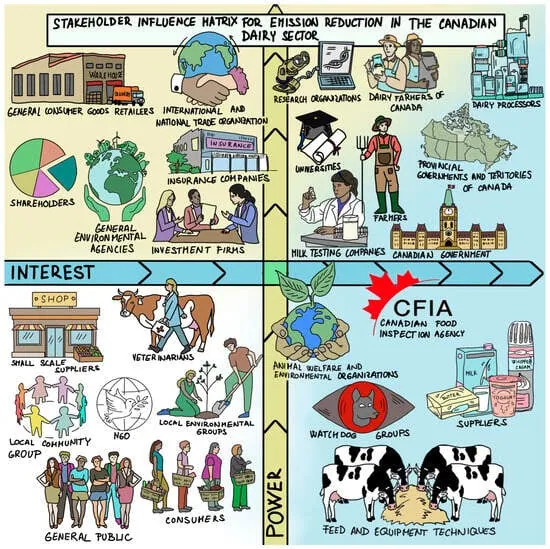
Apart from farmers, raising public awareness about the importance of sustainable livestock production and the role of consumers in driving change can create demand for climate-friendly products and practices. Educational campaigns, media outreach, and consumer labels can help inform consumers about the environmental impact of their food choices and encourage demand for sustainably produced livestock products. [4;9;10].
Training Programs and Capacity-Building Initiatives
Training programs can be developed to educate livestock farmers about the impacts of climate change and the strategies available to mitigate and adapt to these changes. Extension services, workshops, and demonstration farms can help disseminate knowledge and best practices. Training initiatives play a crucial role in building the capacity of livestock producers to implement climate-smart practices. Farmers may lack knowledge or technical skills required to adopt sustainable farming techniques.
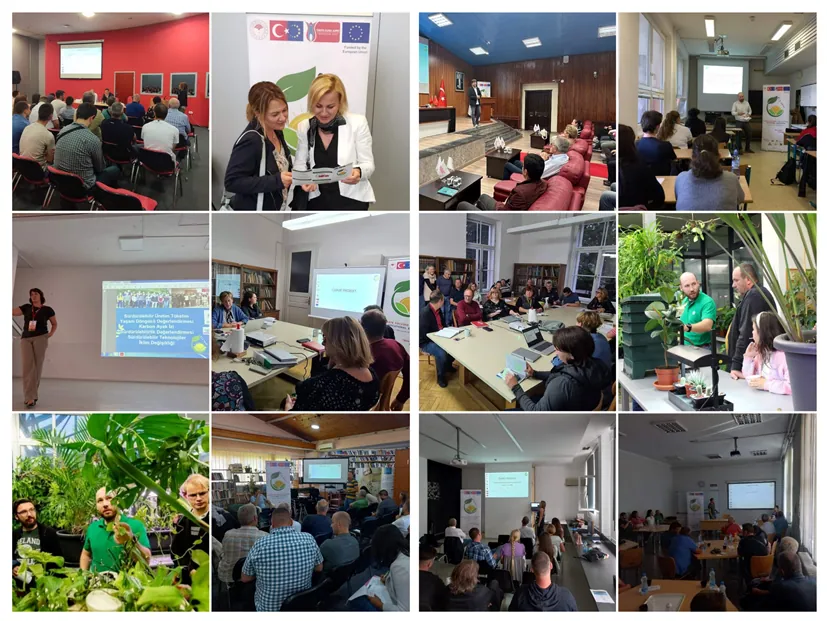
Training programs can fill this gap by providing practical guidance and hands-on experience in areas such as soil conservation, water management, and animal health. Moreover, by providing education on climate-smart practices, such as improved animal management, feed efficiency, and resource conservation, these programs can empower farmers to mitigate and adapt to climate change. Therefore, training programs offer valuable opportunities to build capacity and disseminate knowledge among livestock producers [2;4].
Access to Resources
Training and policy interventions can improve farmers' access to resources and technologies needed for climate adaptation and mitigation. This includes access to climate-resilient crop varieties, drought-tolerant forages, improved animal breeds, and renewable energy solutions. By facilitating access to these resources, policymakers and training programs can empower farmers to enhance their resilience to climate change [6].
Research, Innovation, Collaboration and Knowledge Sharing
Investing in research and development of new technologies and innovations tailored to the livestock sector can help improve resilience to climate change. This may include breeding more heat-tolerant livestock breeds, developing feed supplements that reduce methane emissions, or designing energy-efficient housing systems. Advances in precision agriculture, remote sensing, and digital monitoring tools enable farmers to optimize resource use, minimize environmental impacts, and respond effectively to climate variability. For example, wearable sensors can monitor animal health and behavior in real-time, helping farmers identify and mitigate heat stress risks [11]. Research must integrate climate change impacts with livestock keepers' adaptation efforts to inform policy decisions and effectively support targeted adaptation options. Establishing this evidence is crucial for ensuring adaptation aligns with the needs of the livestock sector and meets the growing demand for animal-based products [9].
Encouraging collaboration and knowledge sharing among stakeholders, including farmers, researchers, policymakers, and industry representatives, can facilitate the exchange of ideas, experiences, and best practices. Platforms such as farmer networks, research consortia, and multi-stakeholder partnerships can foster collaboration and collective action. Enhancing innovation capacity and offering farmer support are vital for expanding sustainable and regenerative agriculture, thereby maximizing its positive effects. Agriculture holds significant potential in mitigating climate change impacts, and by fostering collaboration among farmers and other food system actors, challenges can be addressed more comprehensively. Initiatives like Test Farms [12], facilitate farmer-startup partnerships, allowing farmers to acquire new skills and startups to pilot their solutions with support for scalability.
Risk Management
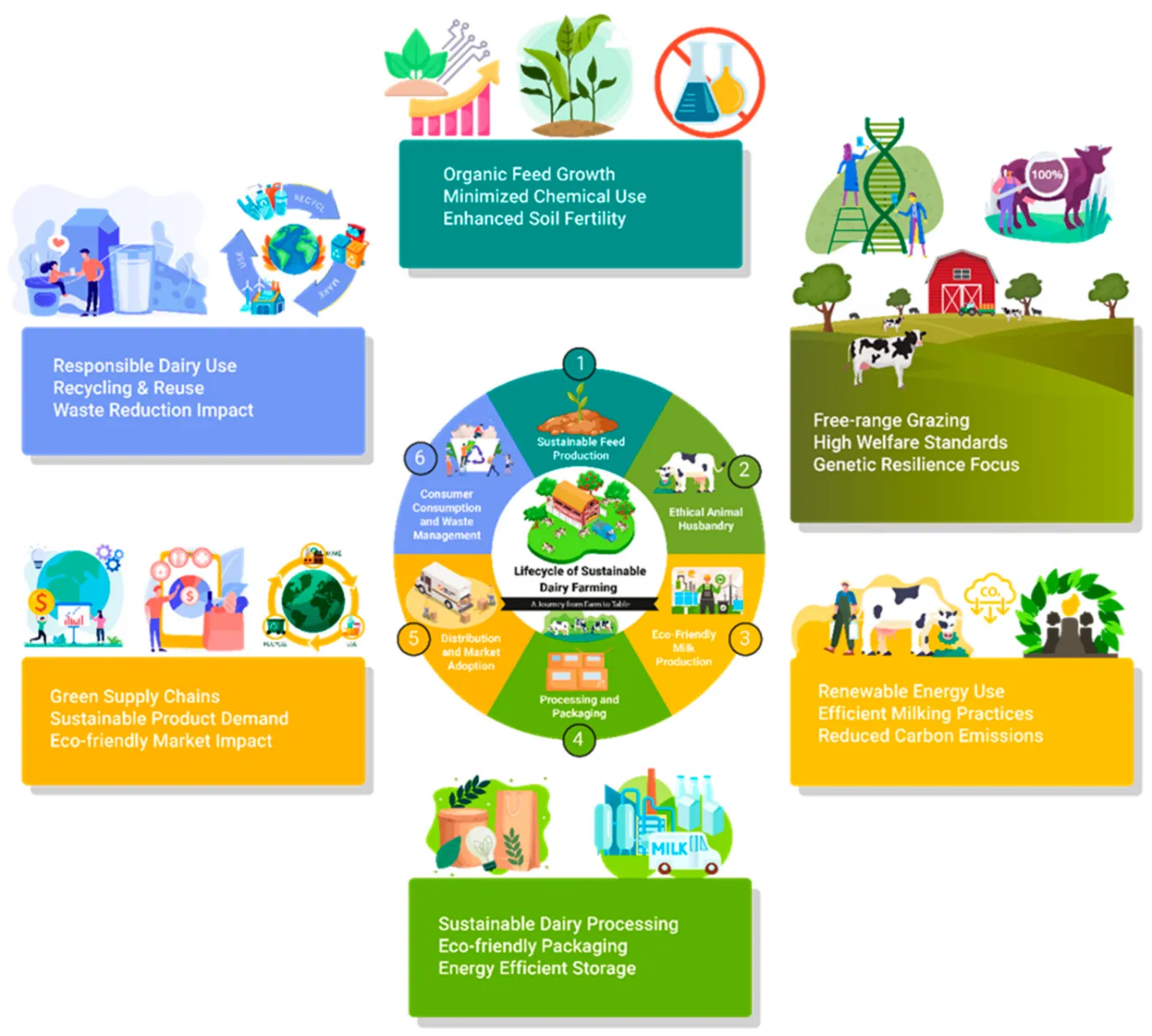
Livestock producers face a range of climate-related risks, including heat stress, drought, disease outbreaks, and feed shortages. Adaptation and mitigation strategies can help mitigate these risks and build resilience in the face of uncertainty. By providing training on risk assessment and management techniques, as well as access to insurance and financial support mechanisms, farmers can better cope with climate-related challenges [13].
In conclusion, mitigation and adaptation strategies are essential for building climate resilience in livestock production systems. Training programs, policy interventions, and technological innovations offer promising avenues for encouraging and implementing these strategies. By investing in education, policy support, and research and development, stakeholders can promote sustainable practices that enhance the productivity, profitability, and environmental sustainability of livestock farming.
References
Thornton, P. K., & Herrero, M. (2014). Climate change adaptation in mixed crop–livestock systems in developing countries. Global Food Security, 3(2), 99-107.
FAO. (2022). FAO Strategy on Climate Change 2022–2031.Retrieved from https://www.fao.org/3/cc2274en/cc2274en.pdf
European Commission. (n.d.). CAP and Environment.Retrieved from https://agriculture.ec.europa.eu/sustainability/environmental-sustainability/cap-and-environment_en
IPCC. (2014). Climate Change 2014: Impacts, Adaptation, and Vulnerability. Contribution of Working Group II to the Fifth Assessment Report of the Intergovernmental Panel on Climate Change. Cambridge University Press.
IFAD. (n.d.). Global Environment Facility. Retrieved from https://www.ifad.org/en/gef
UNDP. (2019). Climate Change Adaptation in Agriculture. United Nations Development Programme. Retrieved from http://www.undp.org/content/undp/en/home/librarypage/environmentenergy/climate_change/adaptation-in-agriculture.html
Wollenberg, E., Tennigkeit, T., Dinesh, D., Baumert, S., Röhrig, F., Kirfel-Rühle, L., & Zeppenfeldt, L. (2022). Compensating farmers for ecosystem services: Lessons and an agenda for innovation (executive summary). CompensACTION Policy Brief.
Hall, C., & Wreford, A. (2012). Adaptation to climate change: the attitudes of stakeholders in the livestock industry. Mitigation and adaptation strategies for global change, 17, 207-222.
Escarcha, Jacquelyn F., Jonatan A. Lassa, and Kerstin K. Zander. (2018). Livestock Under Climate Change: A Systematic Review of Impacts and Adaptation. Climate 6, no. 3: 54. https://doi.org/10.3390/cli6030054
Neethirajan, S. Innovative Strategies for Sustainable Dairy Farming in Canada amidst Climate Change.(2024). Sustainability, 16, 265. https://doi.org/10.3390/su16010265
Alipio, M., & Villena, M. L. (2023). Intelligent wearable devices and biosensors for monitoring cattle health conditions: A review and classification. Smart Health, 27, 100369.
EIT Food. (n.d.). Test Farms. Retrieved from https://www.eitfood.eu/projects/test-farms
Sidahmed, A. 2008. Livestock and Climate Change: Coping and Risk Management Strategies for a Sustainable Future. In Livestock and Global Climate Change conference proceeding, May 2008, Tunisia."